Uptime SLAs explained: what 99.99% means
11.02.2026
A 99.99% uptime SLA promises that a service will be available 99.99% of the time, which allows about 53 minutes of downtime a year. The number on its own says little, though. What matters is what the SLA covers, how the contract defines downtime and what you get back when the provider misses it.
The answers below explain each in plain words, so you can compare colocation contracts on the terms that count.
- Each extra nine cuts downtime tenfold. Over a year, 99.9% allows about 8.8 hours, 99.99% about 53 minutes and 99.999% about 5 minutes.
- An SLA covers what the provider controls. That usually means power, cooling and sometimes network, not your own servers or software.
- Downtime means what the contract says it means. Check how A and B power feeds count, whether planned maintenance is excluded and how outages are reported.
- Judge the design behind the number. Look for redundant power, N+1 cooling or better, 24/7 monitoring and SOC 2 Type II audits.
- Hut 8 Canada: every site carries a 99.99% uptime SLA, is SOC 2 Type II certified and is monitored by a 24/7 NOC.
Uptime SLAs explained: what 99.99% means
What does a 99.99% uptime SLA mean?
A 99.99% uptime SLA is a contractual commitment that the covered service will be available 99.99% of the time over the measurement period. Over a year, that allows about 53 minutes of downtime. If availability falls below the commitment, the contract usually defines a service credit as the remedy.
How much downtime do 99.9%, 99.99% and 99.999% allow?
Each extra nine cuts the allowed downtime by a factor of ten. Over a year, 99.9% allows about 8.8 hours, 99.99% about 53 minutes and 99.999% about 5 minutes. Many SLAs are measured monthly, where 99.99% allows roughly 4.4 minutes.
What does an uptime SLA cover in colocation?
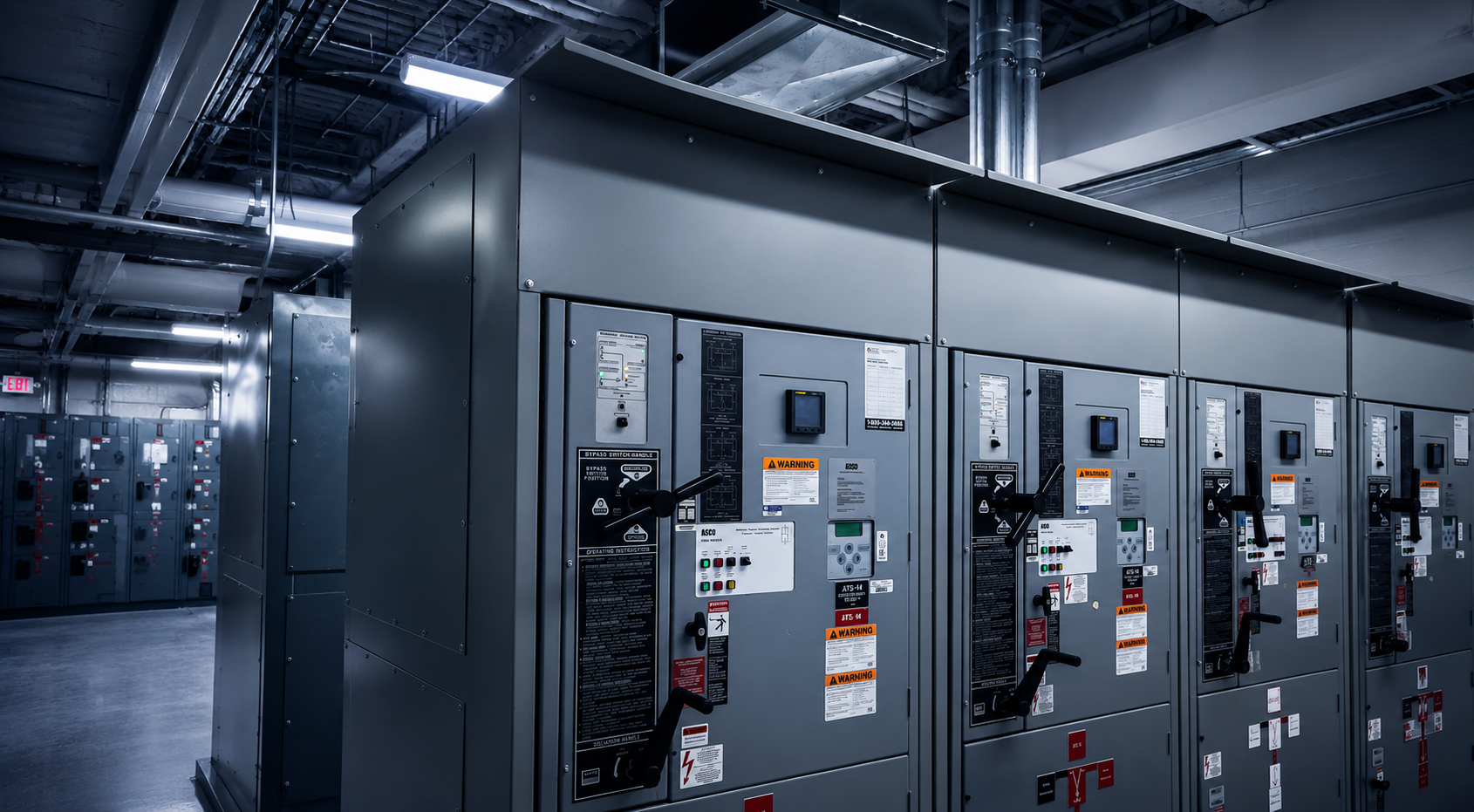
In colocation, an uptime SLA usually covers what the provider controls: power delivered to your cabinet, cooling and environmental conditions, and sometimes network connectivity. It does not cover your own servers, software or configuration. Check which of these the SLA names, because power and network commitments are often separate.
What counts as downtime under an SLA?
Downtime is whatever the contract defines it to be. Check whether it means losing power on both A and B feeds or on one, whether planned maintenance is excluded, how outages are measured and recorded, and whether you must report an outage within a set time to claim a credit.
What is a service credit?
A service credit is the usual remedy when a provider misses its SLA: a share of the monthly fee is credited to your account, scaled to how far availability fell. Credits are often capped and rarely cover business losses. Treat the SLA as evidence of how the site is built, not as insurance.
How can I tell whether a provider can meet its SLA?
Look at the design behind the number. Ask about redundant power paths (A + B feeds), cooling redundancy (N+1 or better), generator runtime, 24/7 monitoring and independent audits such as SOC 2 Type II. Ask for availability history for the specific site you will use, not a portfolio average.
Does a higher Tier rating mean a higher SLA?
Not automatically. A Tier rating describes how a facility is designed to handle maintenance and failures, while the SLA is a contractual promise. A Tier III design is built so components can be maintained without shutting down the load, but the contract sets the actual commitment. Compare both, and read the definitions.
What uptime SLA does Hut 8 Canada offer?
Every Hut 8 Canada data centre carries a 99.99% uptime SLA, which allows up to 53 minutes of downtime a year. All five sites, in British Columbia and Ontario, are SOC 2 Type II certified, monitored by a 24/7 NOC and hosted in Canadian facilities for PIPEDA data residency.